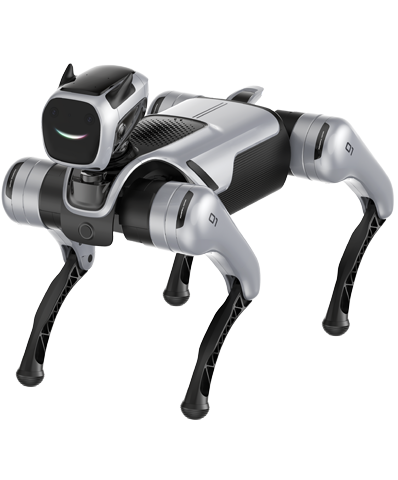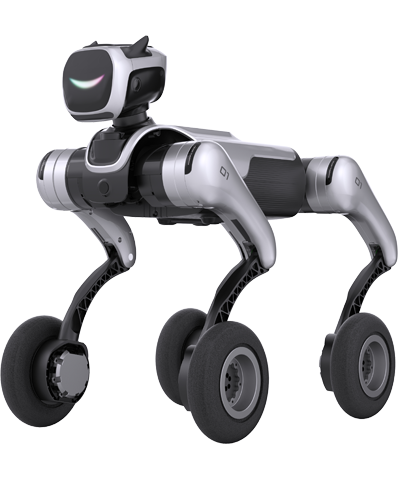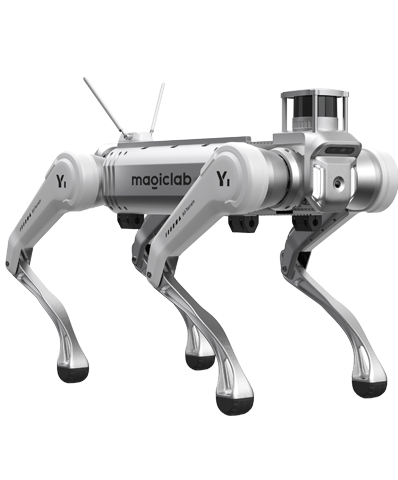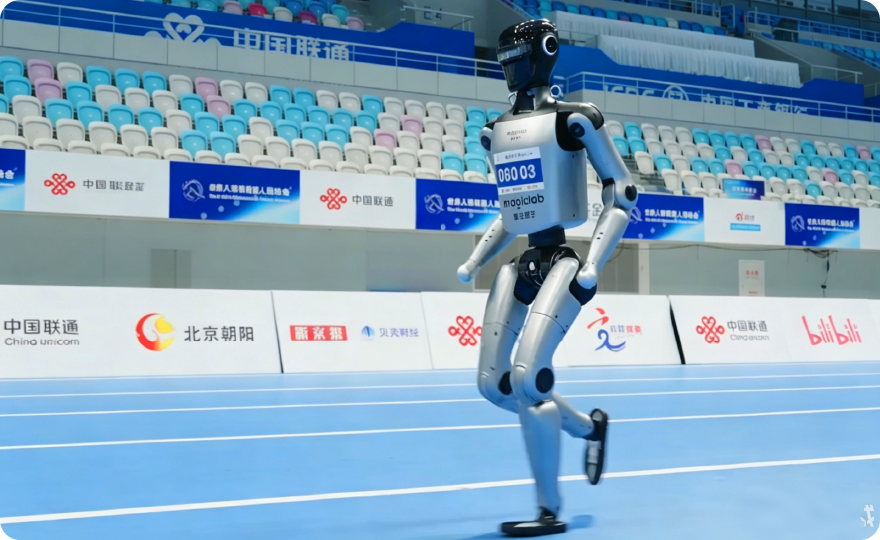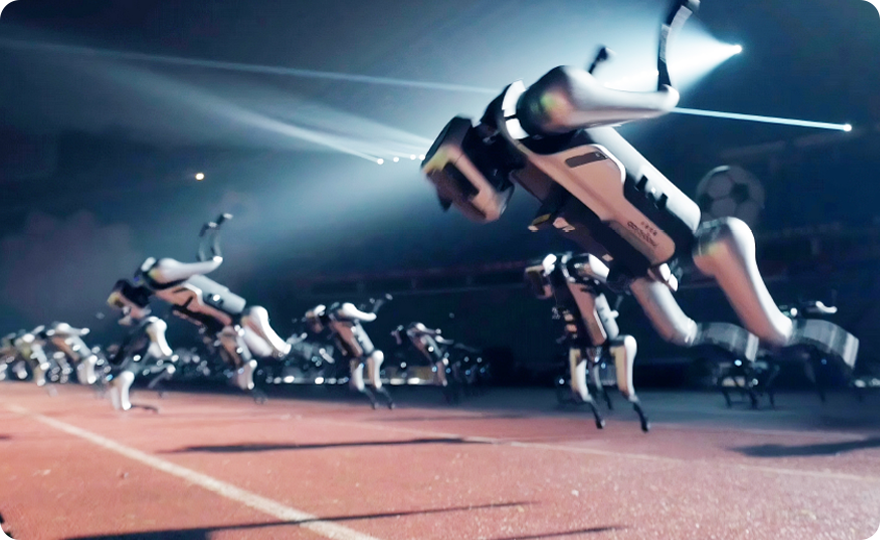
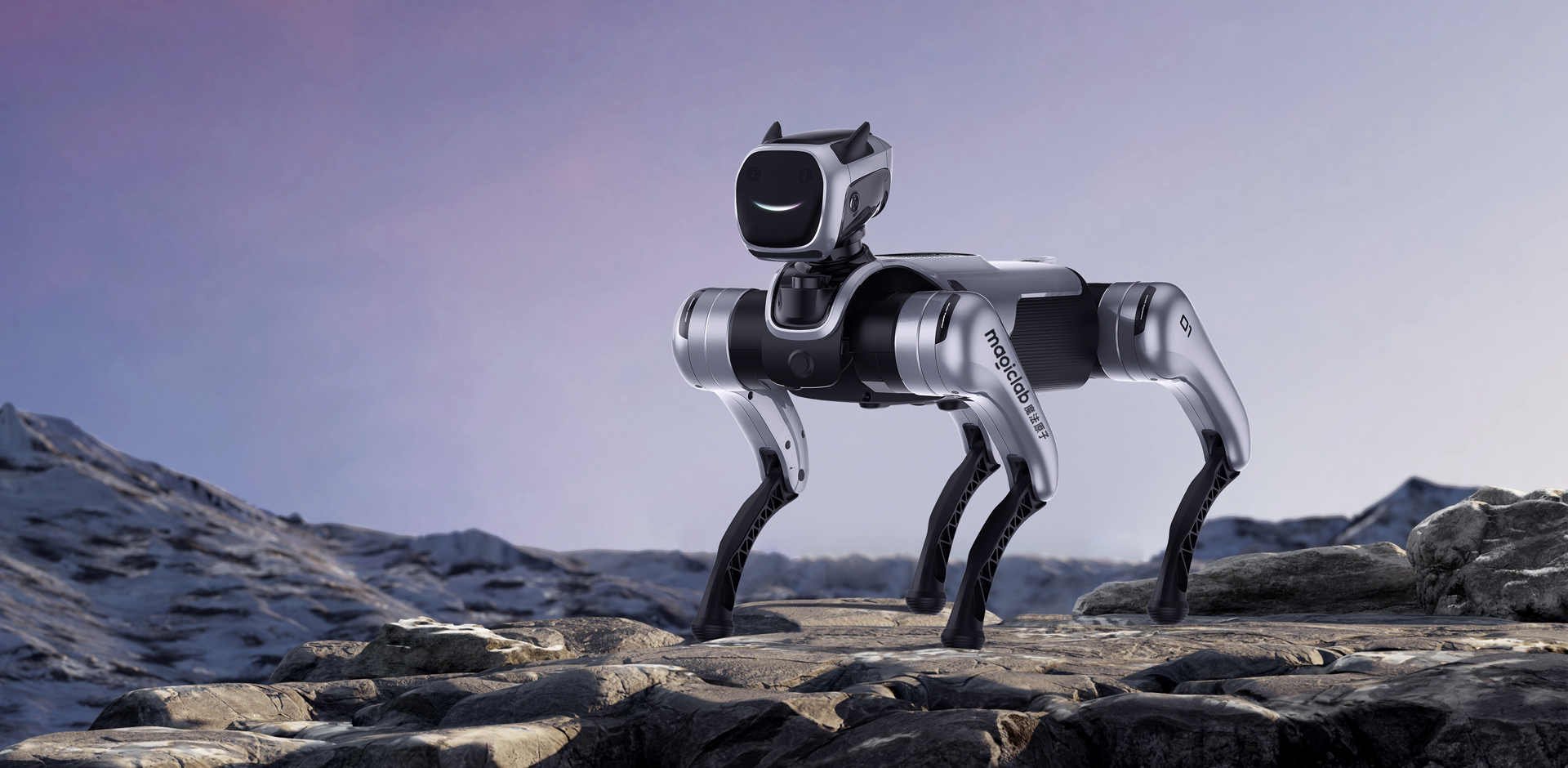

MagicLab develops quadruped robots with differentiated mobility architectures for personal interaction, research development and demanding industrial work. Each model combines self-developed motion hardware, environmental perception and intelligent control, while offering different payload, endurance and expansion capabilities.
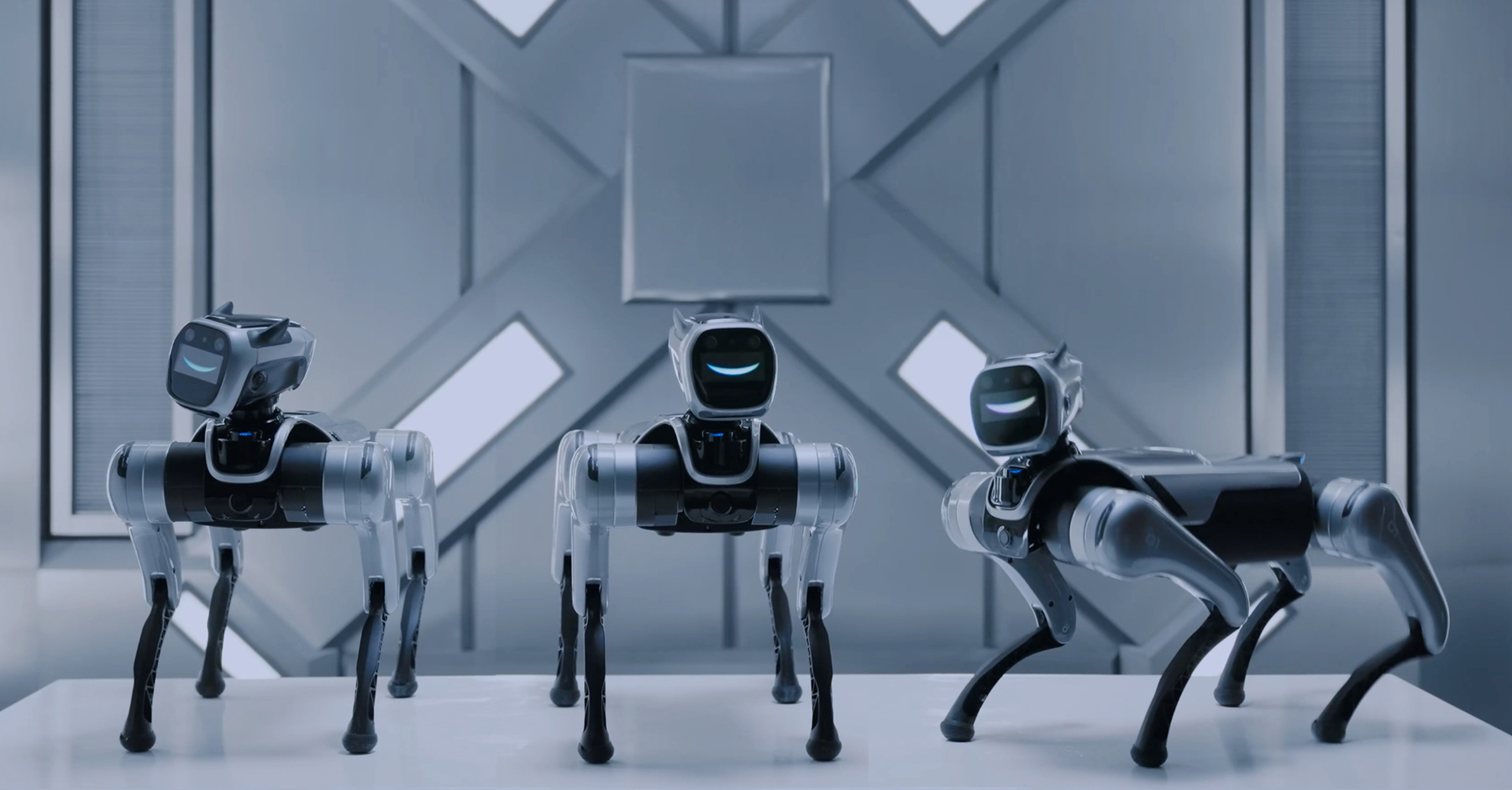
MagicLab develops quadruped robots with differentiated mobility architectures for personal interaction, research development and demanding industrial work. Each model combines self-developed motion hardware, environmental perception and intelligent control, while offering different payload, endurance and expansion capabilities.
MagicLab combines self-developed motion hardware, multimodal perception, intelligent control and open development resources to improve mobility, interaction and deployment efficiency across quadruped robot applications.
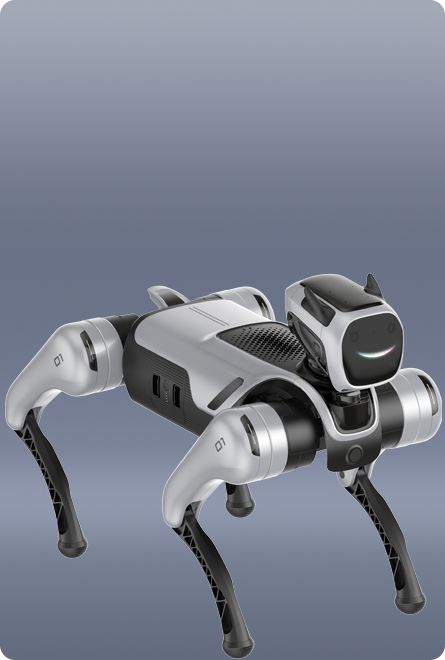
High-torque-density joint modules provide responsive motion, structural integration and reliable power output for legged and wheel-legged platforms.
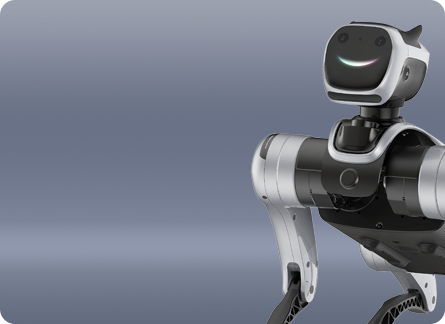
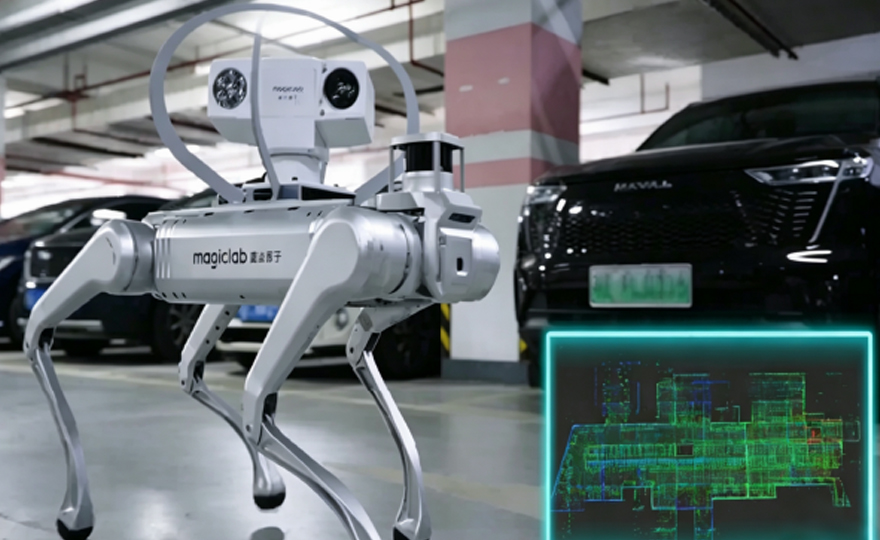
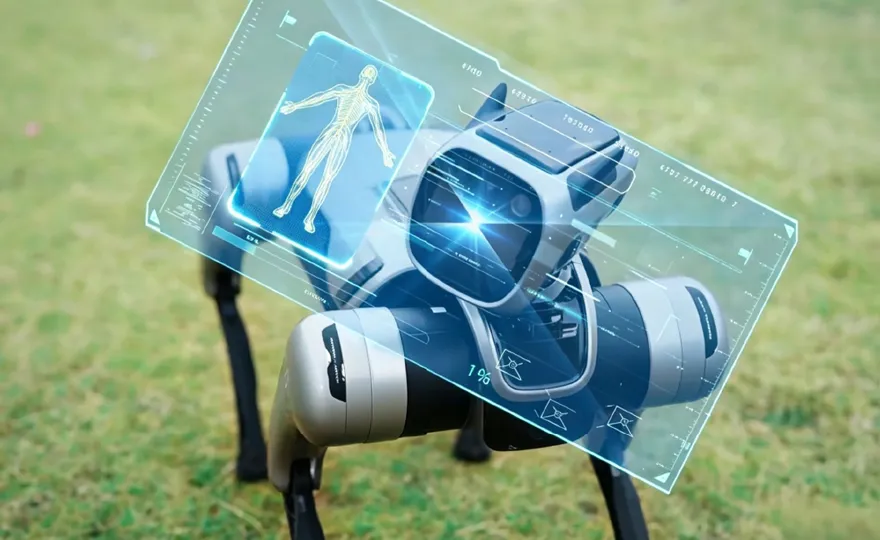
LiDAR, cameras, depth vision and ultrasonic sensing support target tracking, obstacle recognition, mapping and navigation according to model configuration.
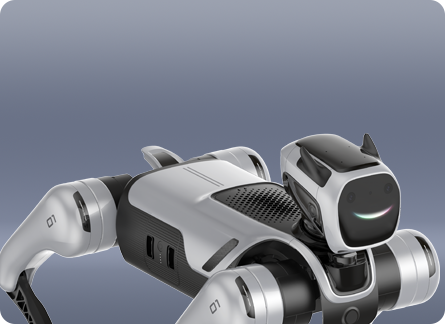
Full-body coordination and balance algorithms help robots walk, roll, climb, recover posture and remain stable on changing terrain.
SDK, ROS2 resources, OTA upgrades, computing modules and payload interfaces shorten development cycles for research and application integration.
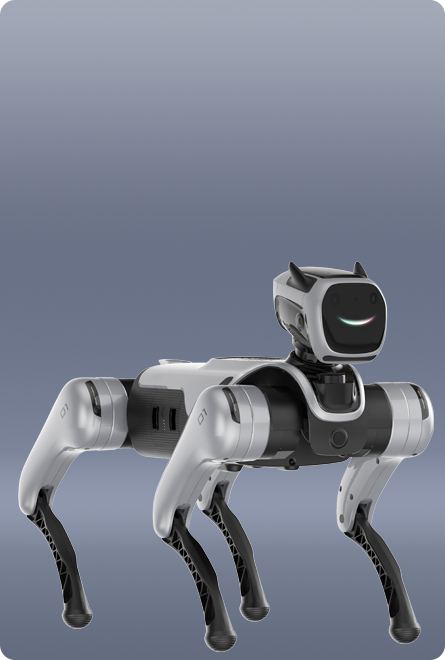
MagicDog focuses on interaction and development, MagicDog-W adds efficient wheel-leg mobility, and MagicDog Y1 is engineered for industrial payload, protection and inspection tasks.
MagicDog EDU supports SDK development and graphical programming; MagicDog-W is suitable when wheel-leg motion and expansion research are required.
Yes. MagicDog SDK, Motion SDK and ROS2 SDK provide joint, motion, sensor, SLAM and navigation development interfaces.
Pricing depends on model, version, computing configuration, sensors, payload modules and service requirements. Contact MagicLab for a tailored quotation.
Depending on model and configuration, MagicLab quadruped robots can support education, interaction, inspection, mobility research and hazardous-environment operations across nine application directions.



 English