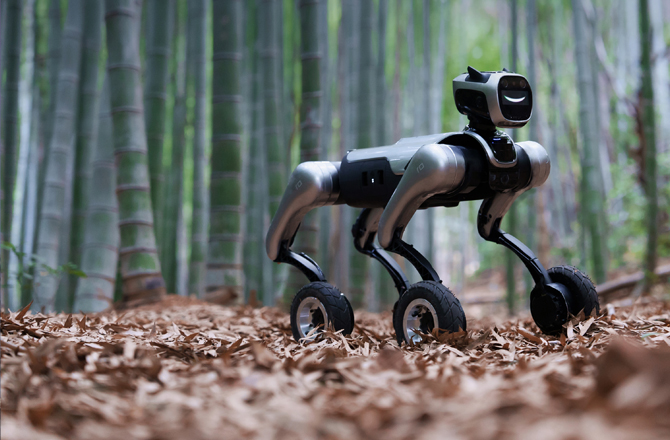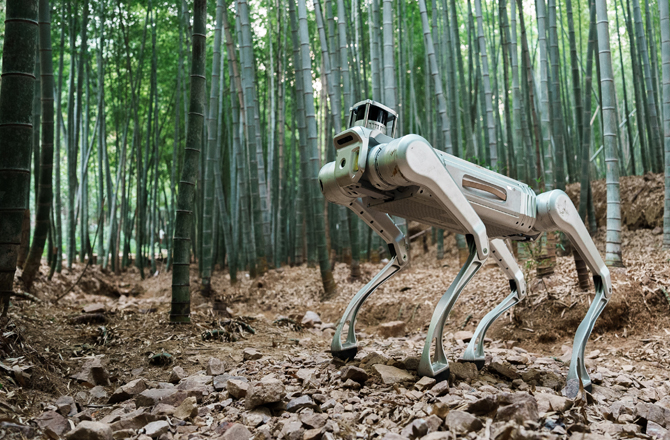
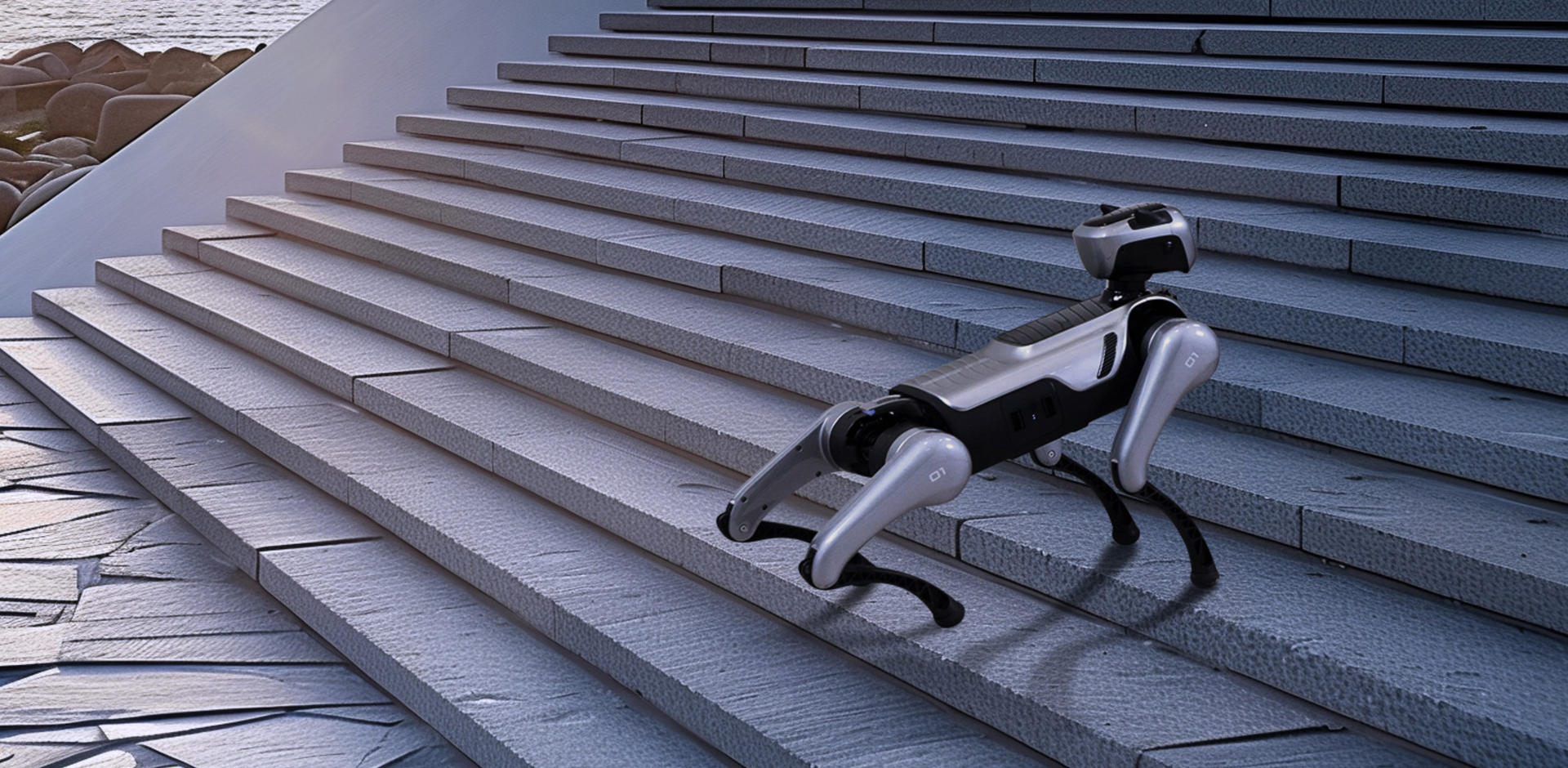

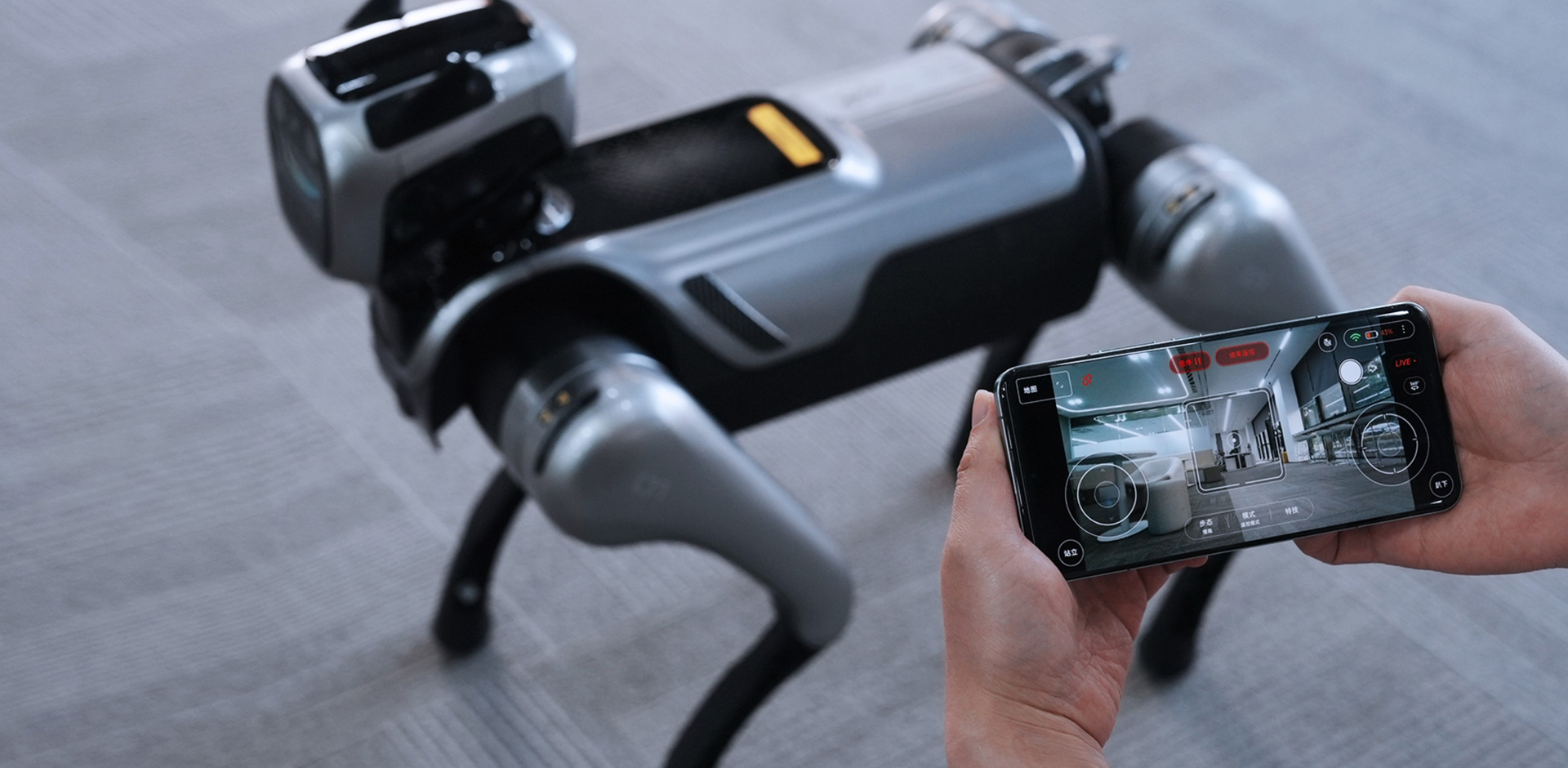
See MagicDog move, interact and respond through coordinated full-body motion, demonstrating agile quadruped locomotion, expressive head-body control and adaptable performance for education, entertainment and intelligent companion applications.
| Parameter Name | Parameter Details |
| Standing Dimensions | 67cm × 35cm × 56cm |
| Lying Dimensions | 72cm × 44cm × 29cm |
| Degrees of Freedom | 12 + 1 (head DOF) |
| Total Weight: Approx | 17kg (with battery) |
| Battery Capacity | 8200mAh, rated voltage 29.6V |
| Battery Life | Approx. 2.5hours of continuous movement |
| Payload | ≈5kg (Max. ≈10kg) |
| Movement Speed | 0–3.0m/s |
| Max Obstacle Step Height | Approx. 18cm (lab data) |
| Max Incline Climb Angle | 40° (lab data) |
| Computing Power | 8-core high-performance CPU |
| Max Joint Torque | Approx. 37.5N·m |
| Joint Range of Motion | Torso: -37.0° to 45.0° Thigh: -207.5° to 72.5° Calf: -143.0° to -30.0° |
| Sensors | LiDAR, binocular camera, depth camera 4K HD camera, fisheye camera and ultrasonic sensors |
| Touch Perception | Touch sensors |
| Audio Module | Ring-shaped microphone array, speakers |
| Special Features | 30+ advanced motion routines built-in |
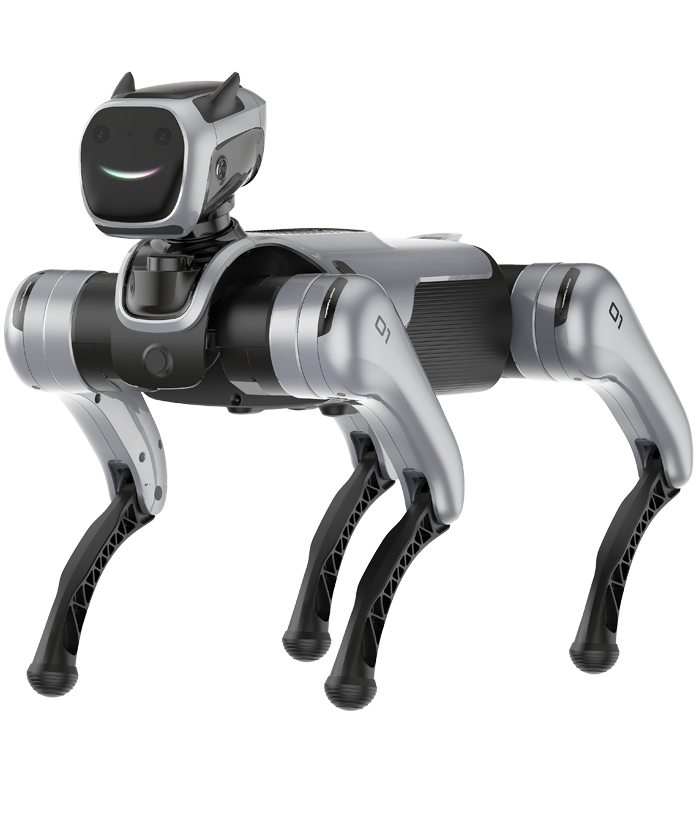
Voice, vision and touch inputs enable responsive expressions and interactive behaviors, creating more natural communication between users and the robot.
Coordinated head and body movement supports walking, turning, posture adjustment and more than 30 built-in motion routines.
Target recognition, depth positioning and multisensor perception help MagicDog follow users and respond to obstacles in real time.
The head-mounted 4K camera supports photo and video capture, presenting the environment from a distinctive robot perspective.
An intuitive programming environment lowers the entry barrier for teaching, demonstrations and creative motion development.
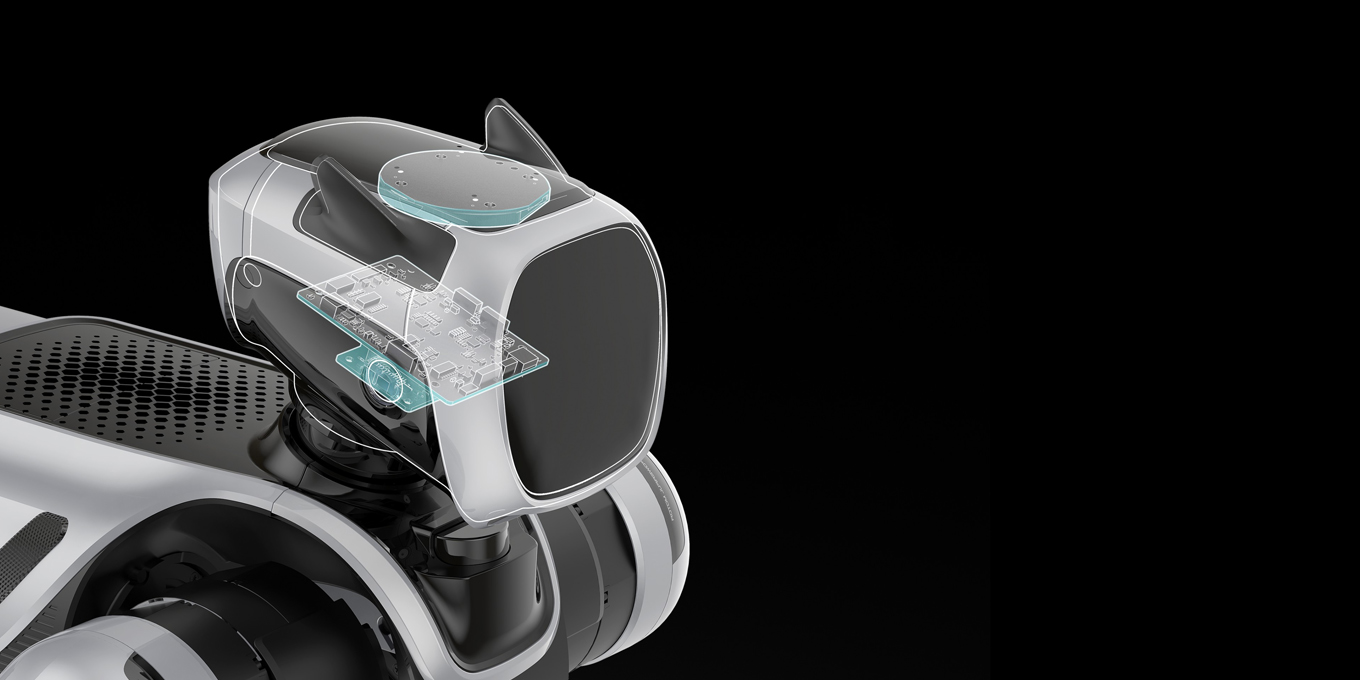
MagicDog supports app or controller operation, graphical programming, OTA upgrades and secondary development. MagicDog SDK provides low-level joint control and high-level motion interfaces, while the Motion SDK focuses on dedicated locomotion control. The ROS2 SDK exposes devices through Topics and Services and integrates SLAM and navigation functions, enabling developers to build research, patrol, interaction and autonomous mobility applications. Sensor data, robot status and voice functions can also be accessed through supported interfaces.



 English