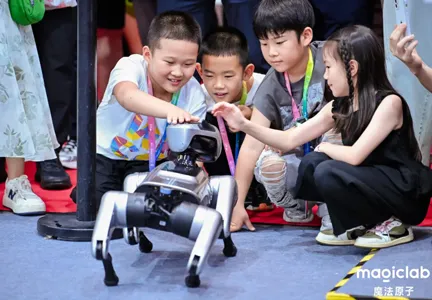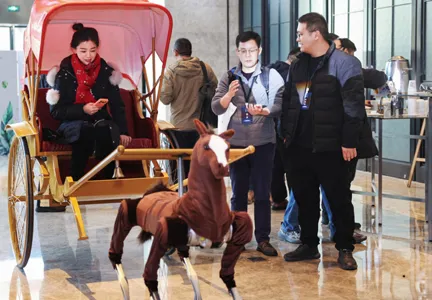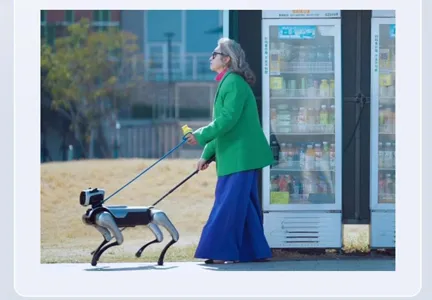


Robots can handle routine reception, directions, information delivery, item transport, and standardized demonstrations, allowing staff to focus on higher-value human services.

Voice, vision, gestures, touch, and screen or app interfaces provide multiple ways for visitors, patients, residents, and staff to interact with the robot.

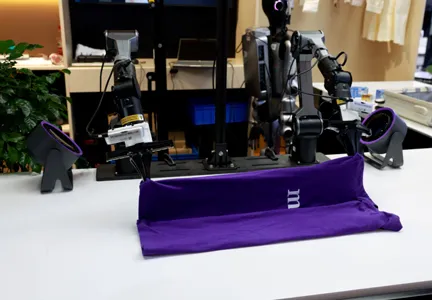
High-degree-of-freedom arms and tactile dexterous hands support controlled grasping and placement of bottles, containers, tools, and daily-use items.
Mapping, localization, path planning, and dynamic obstacle avoidance support movement through halls, corridors, exhibition areas, laboratories, and care facilities.
Open interfaces, sensors, robot bodies, dexterous hands, data tools, and secondary development resources support healthcare-service research and application validation.
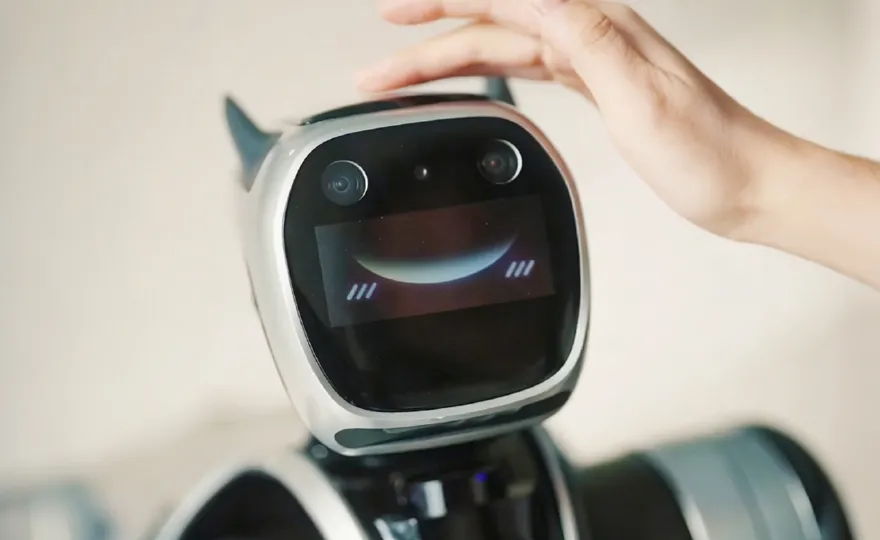
Welcome visitors, introduce service procedures, provide directions, answer frequently asked questions, and guide users to designated areas.

Explain health knowledge, medical technology, equipment, or public-welfare content through structured scripts and interactive presentation.
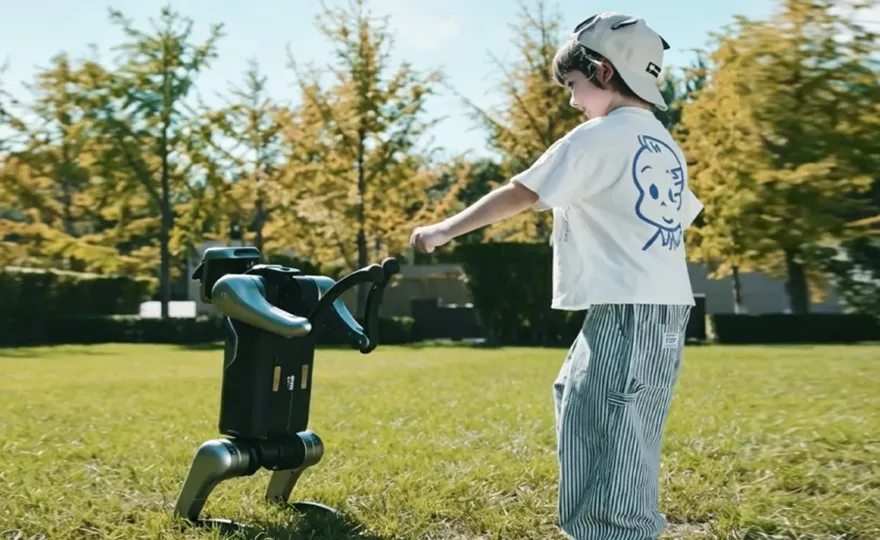
Transport sealed supplies, documents, or daily-use items along approved routes after institutional safety and process validation.
Support repetitive picking, placement, and transfer of bottles or containers in controlled laboratory and production environments.
Provide conversation, music, simple movement demonstrations, reminders, and interactive activities for community or wellness settings.
Use open robot platforms to study navigation, interaction, manipulation, and service workflows before wider deployment.



 English