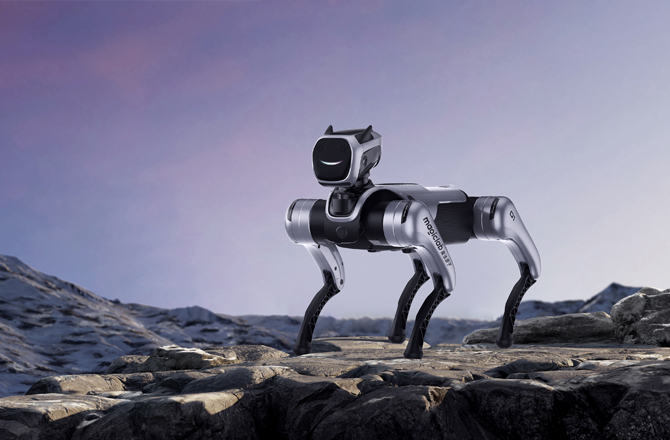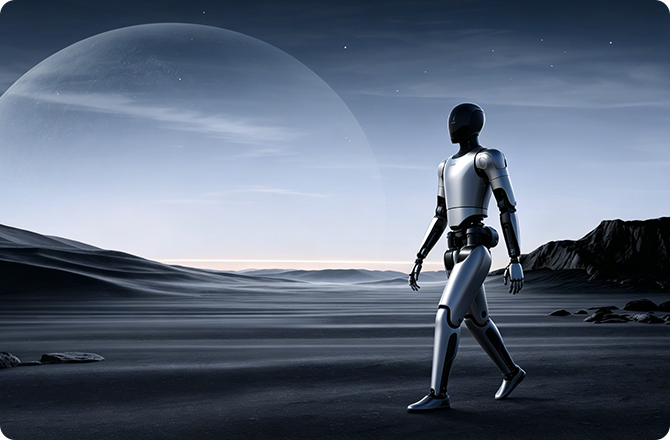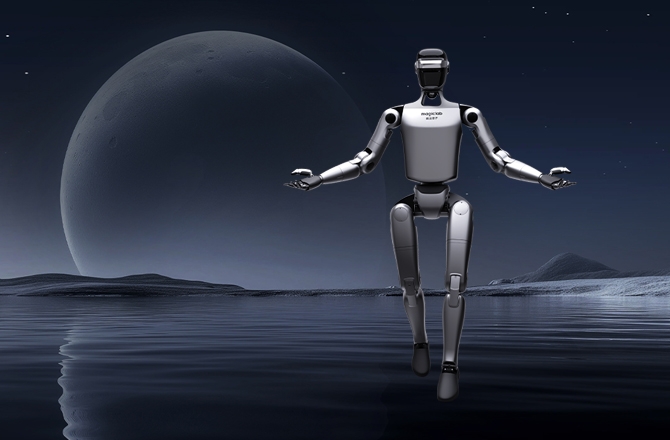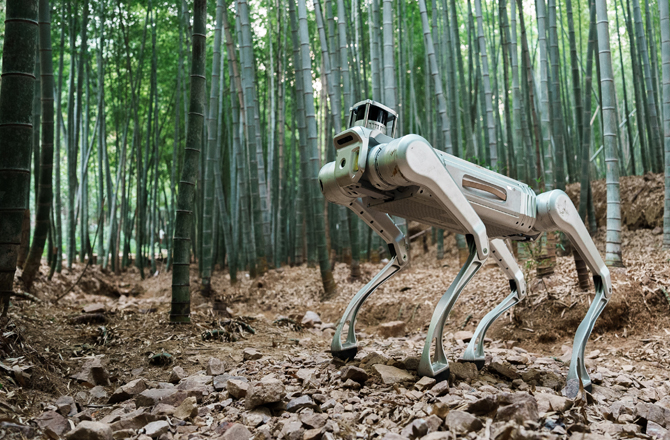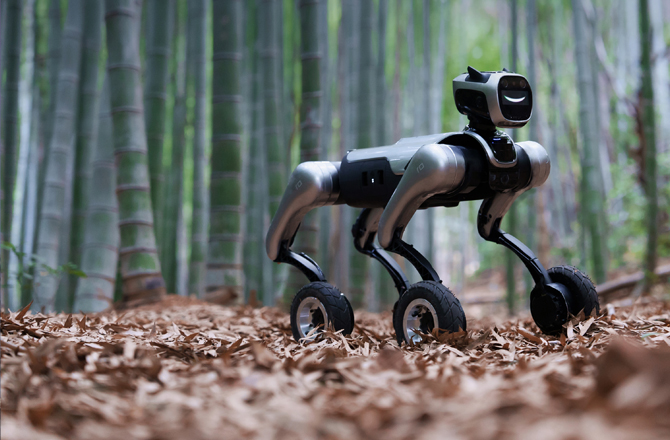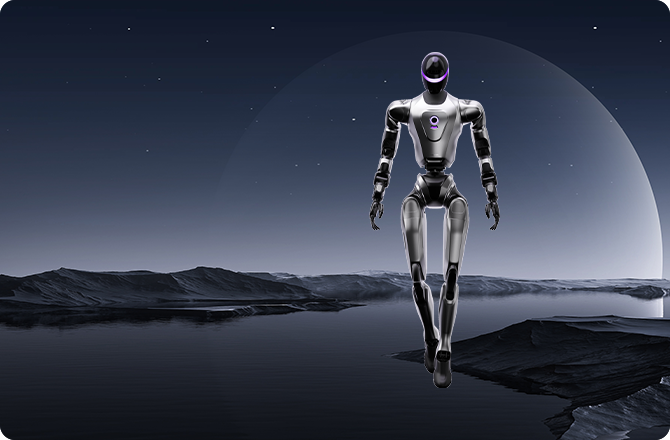

On February 4, Suzhou Olympic Sports Center hosted a fusion of technology and live performance at the "Dare to Dream" concert. MagicLab's high-dynamic bipedal humanoid MagicBot Z1 and quadruped MagicDog — billed as a "silicon-based backup dance team" — performed alongside singer Jam Hsiao on the classic song "Sea Taro Love" (海芋恋), holding choreography timing against a live vocal performance in front of a full arena audience, rather than a pre-recorded track in a controlled studio.
Why it matters for concert and live-event producers: Timing drift is the single hardest thing to hide in live robot choreography — a half-second lag against a live singer is immediately visible to thousands of people. Delivering synchronized performance against live vocals, not a fixed backing track, is a meaningfully higher bar than most robot stage performances attempt.

 English