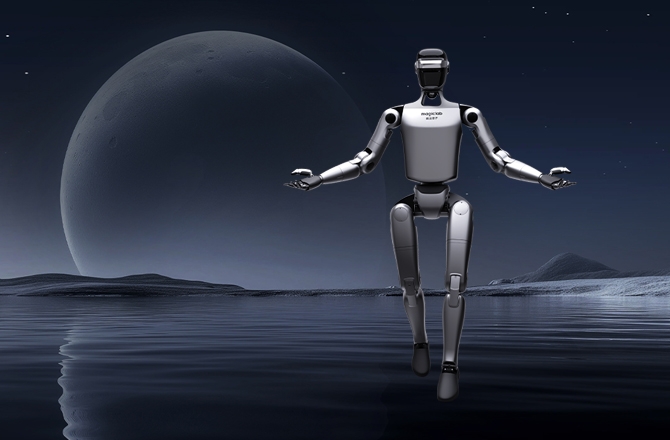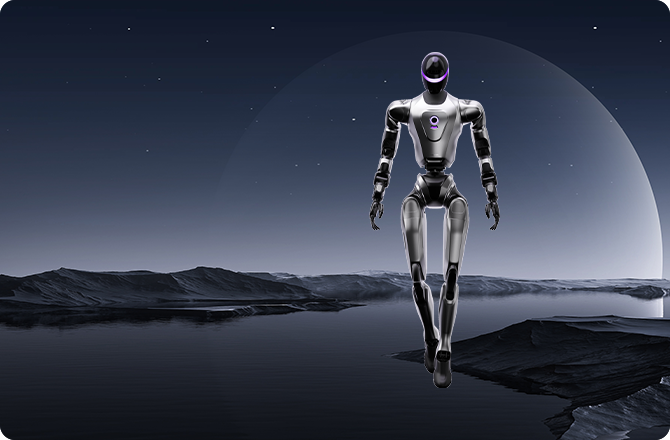

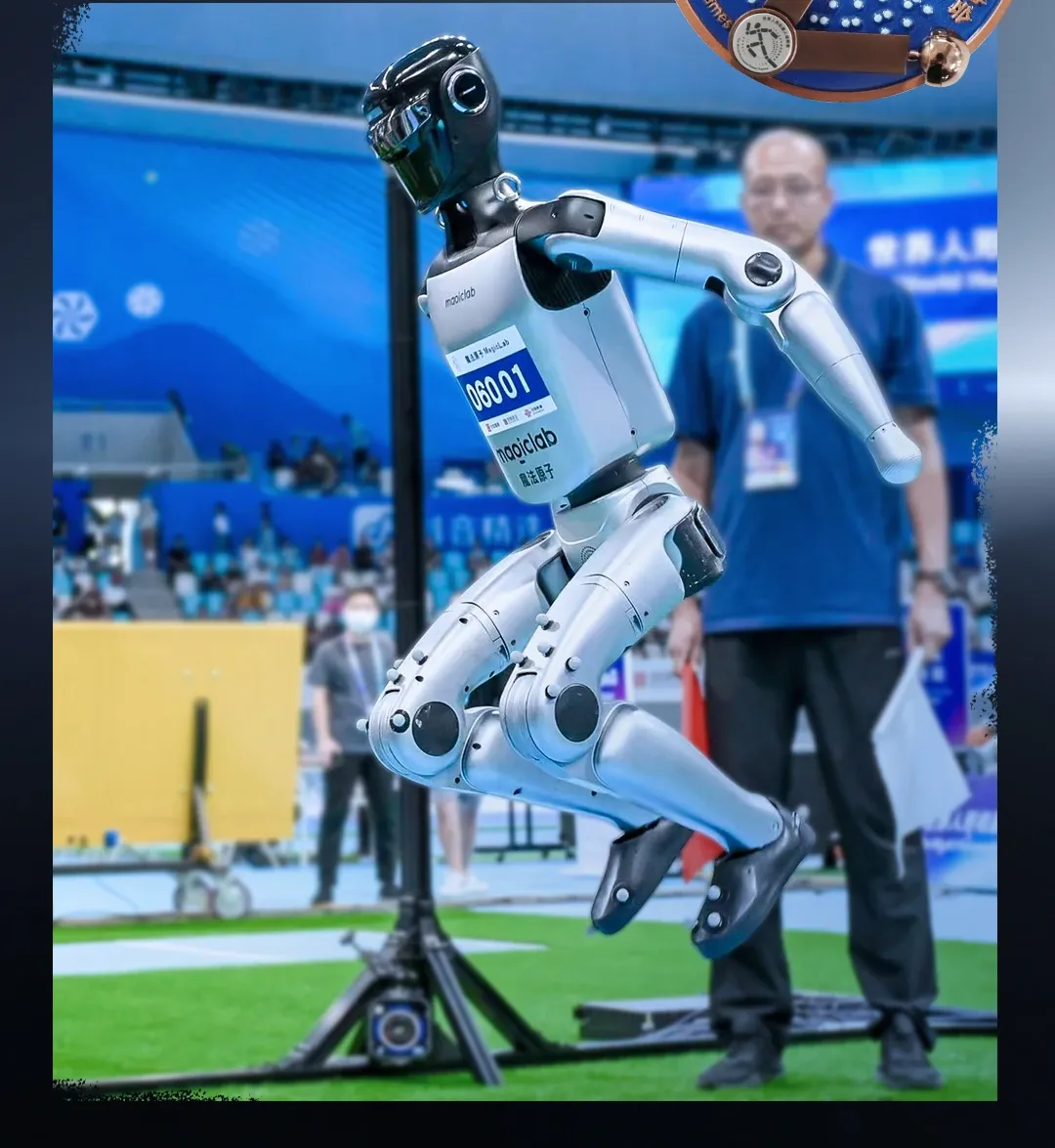
On August 16, MagicBot Z1 took bronze in the standing high jump event at the first-ever World Humanoid Robot Games — competing against purpose-tuned rivals with zero hardware modification, on the same stock platform available for commercial deployment. In a category where competitors typically strip weight, swap actuators, or reconfigure joints purely for competition performance, Z1's unmodified result is a direct proxy for how the production platform actually performs under real dynamic load.
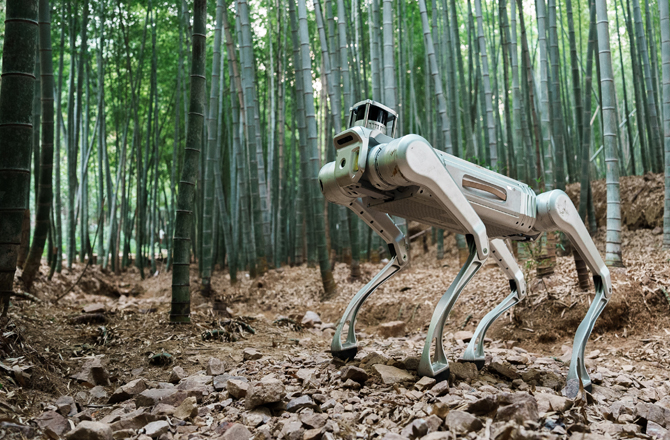
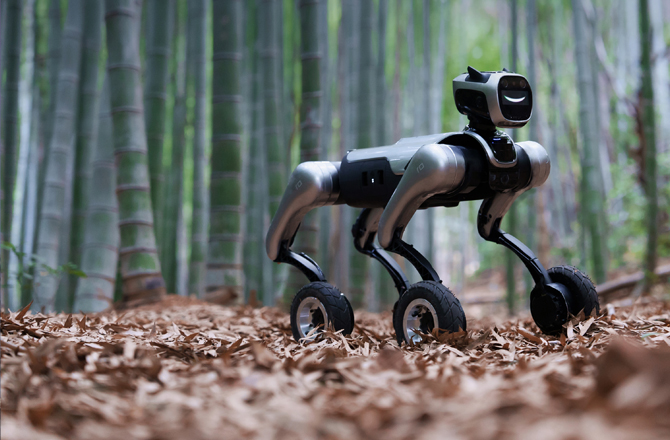
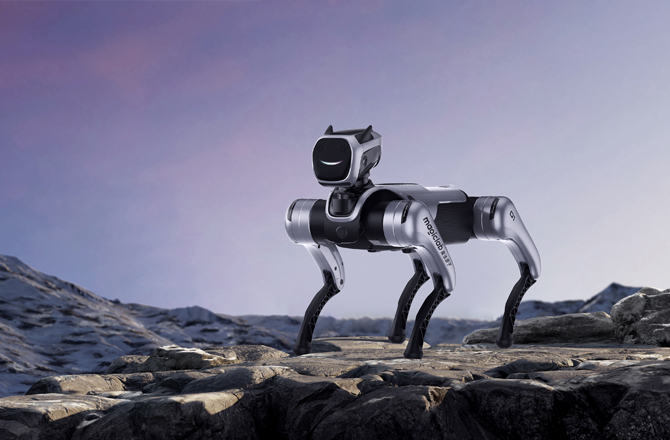
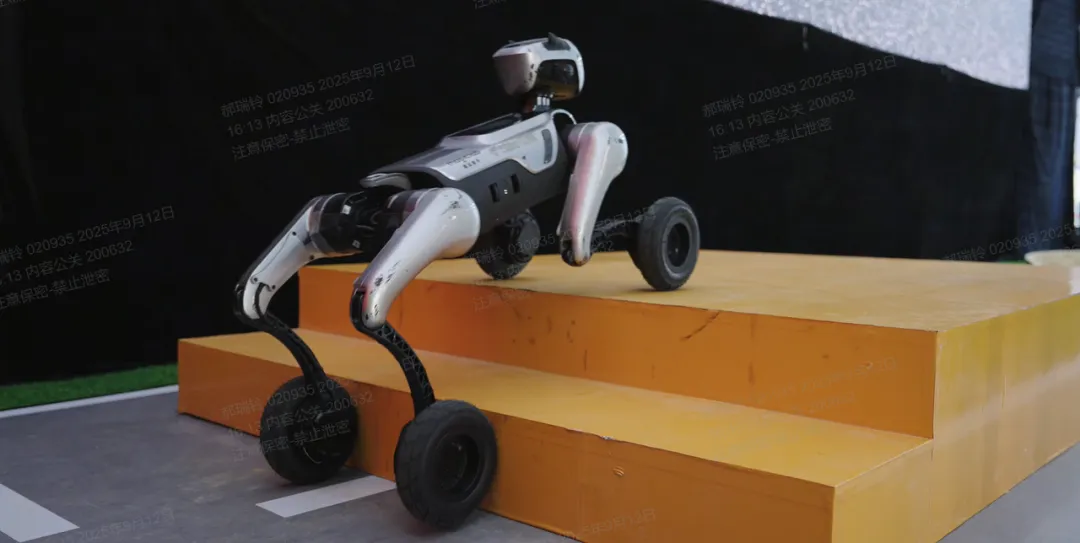
The rest of MagicLab's lineup used the Games' robot arena to demonstrate range beyond athletics. MagicDog crossed open sand terrain cleanly, precisely avoiding obstacles and showing the kind of autonomous navigation reliability that translates directly to outdoor security and inspection work. MagicDog-W — MagicLab's flagship wheel-legged quadruped and one of the strongest wheeled platforms in its class — paired with MagicDog for a routine of continuous backflips, moonwalks, and handstands, then demonstrated its signature hybrid wheel-leg locomotion: climbing stairs (including in reverse) and hitting a top track speed above 3 m/s, combining high-speed mobility with strong obstacle-crossing capability in the same platform. Throughout the event, visitors could trigger live voice interaction simply by calling out "Xiaomai."
Why it matters for buyers evaluating dynamic performance: Trade-show choreography can hide a lot — pre-mapped routes, rehearsed sequences, favorable footing. A competitive medal on unmodified hardware, judged against other companies' best-tuned entries, is a harder claim to fake than a booth demo — and a more useful data point for anyone evaluating a platform's real dynamic stability and control-system maturity.


 English