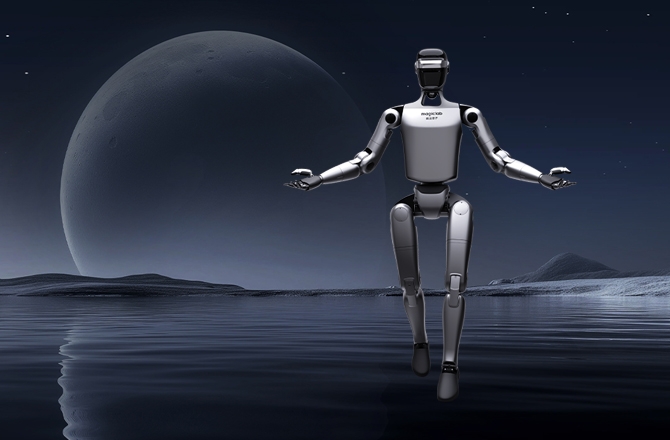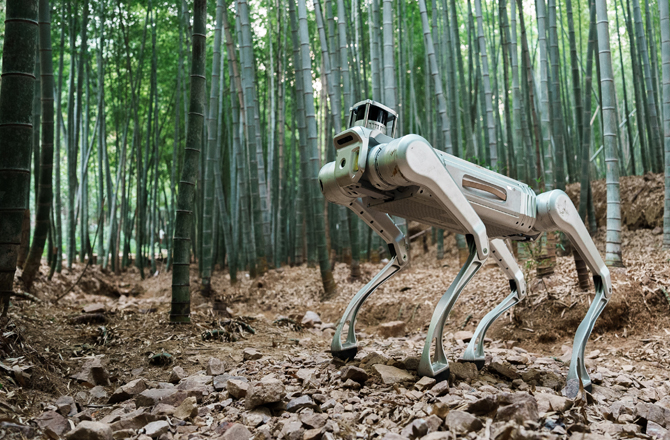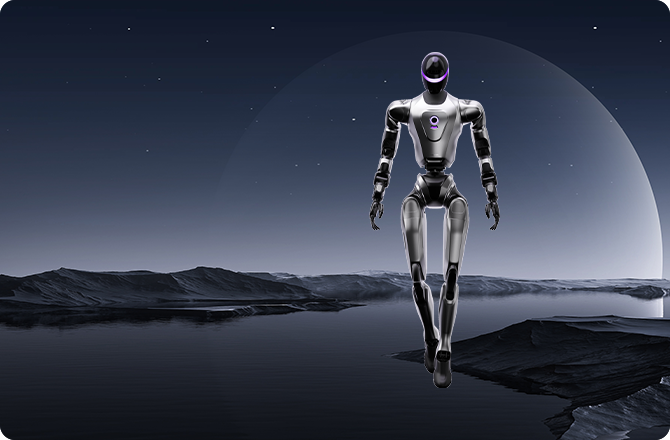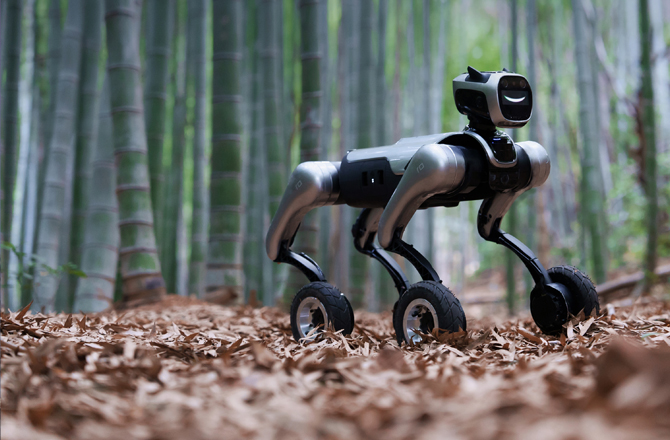

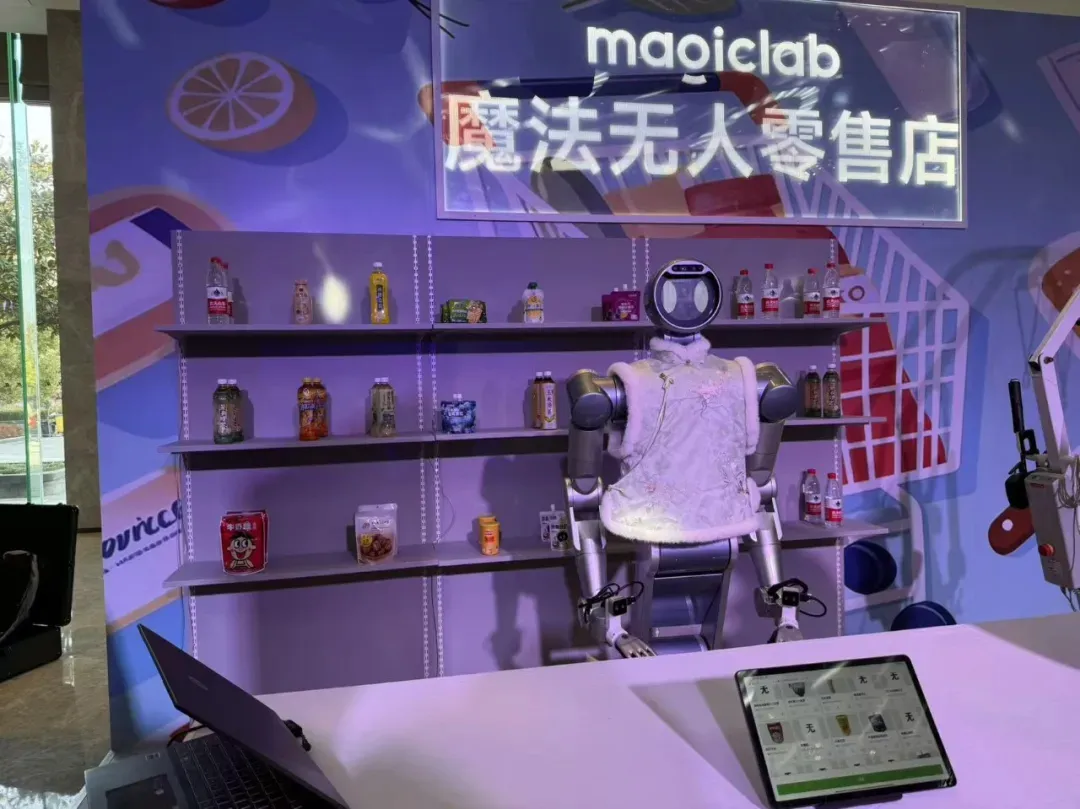
In the industrial manufacturing exhibition zone, MagicBot D1 puts visual recognition and force-controlled robotic arms to work identifying materials across shelves of varying heights, then autonomously completing the full grasp-transfer-place sequence — no fixed pick point, no dedicated fixture required. Multiple D1 units can also operate together through a fleet-scheduling system, linking warehouse retrieval, cross-zone transport, and line-side delivery into a single, continuously running unmanned material-flow loop.
At the same time, D1's multi-robot coordination layer connects directly into a facility's existing warehouse and production management systems — enabling task assignment, live operational monitoring, and full work-data traceability. This is the piece that matters most for real-world adoption: it reduces dependence on the fixed-line retrofits and infrastructure overhauls that traditional automation typically demands. Deploying D1 doesn't mean redesigning your production line around it.
MagicBot D1 is already in active operation inside Dreame's smart manufacturing facility, handling real production tasks including in-shop material transport and line-side loading/unloading. Every operating hour generates production-line data that feeds directly back into MagicLab's development loop — refining grasp control, dynamic obstacle avoidance, and fleet-scheduling intelligence — creating a continuous feedback cycle between hardware deployment, live operation, and algorithm iteration.
Why it matters for manufacturers: This is the pain point most industrial buyers lead with: "We can't afford to rebuild our line to fit a robot." D1's wheeled-humanoid form factor and system-level integration are built specifically to answer that objection — deploy without reconfiguring your workstations, and let the fleet-scheduling layer do the coordination work that used to require fixed infrastructure.

 English