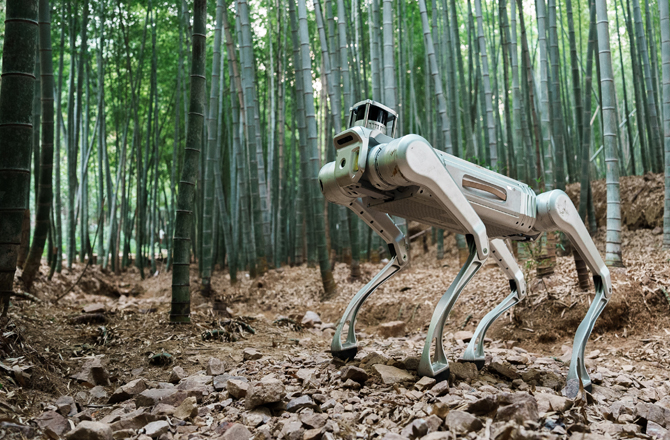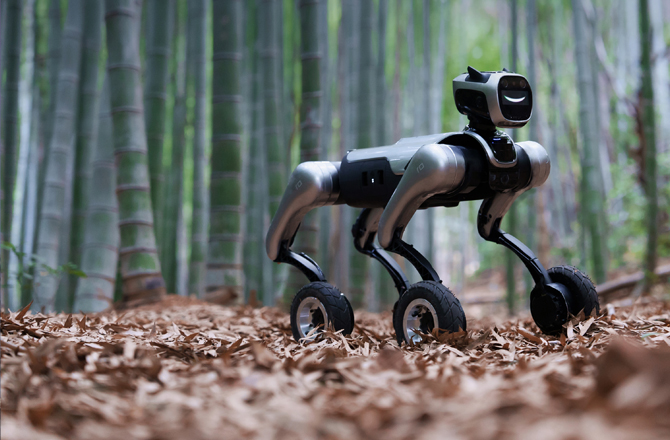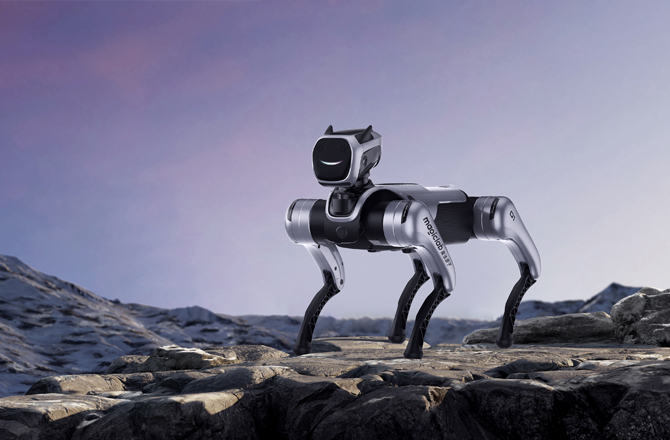

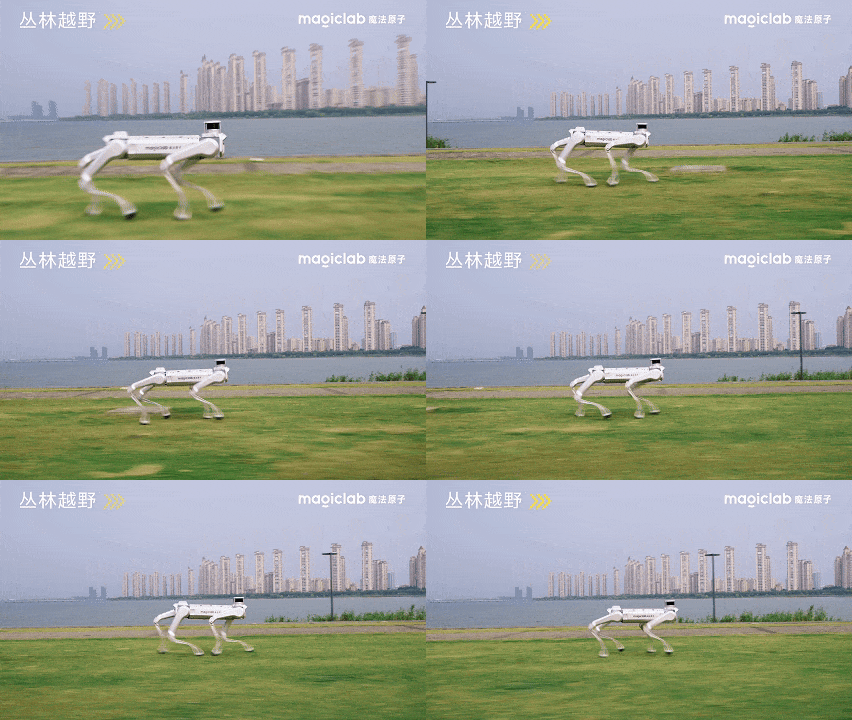
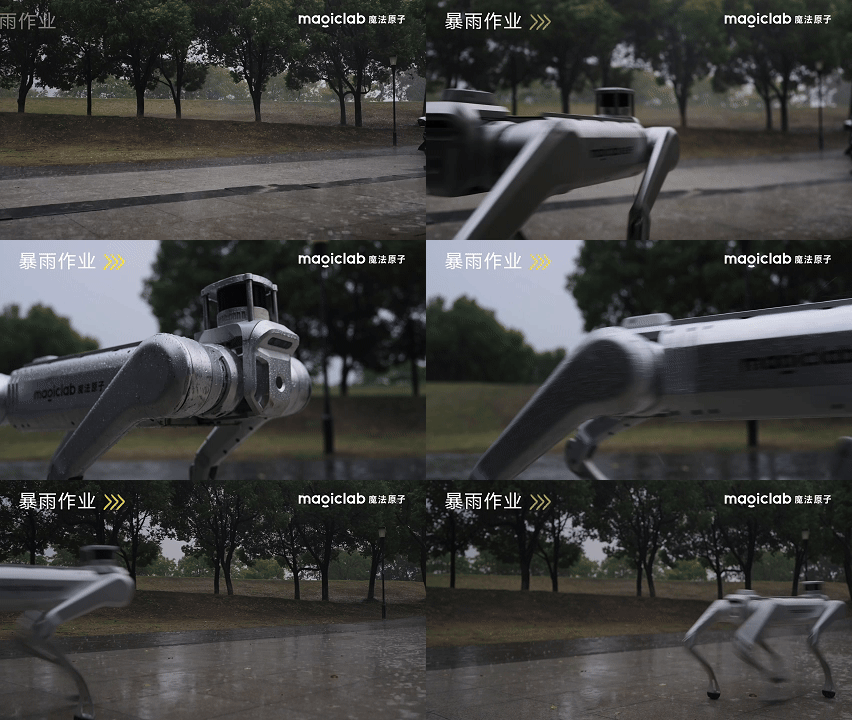
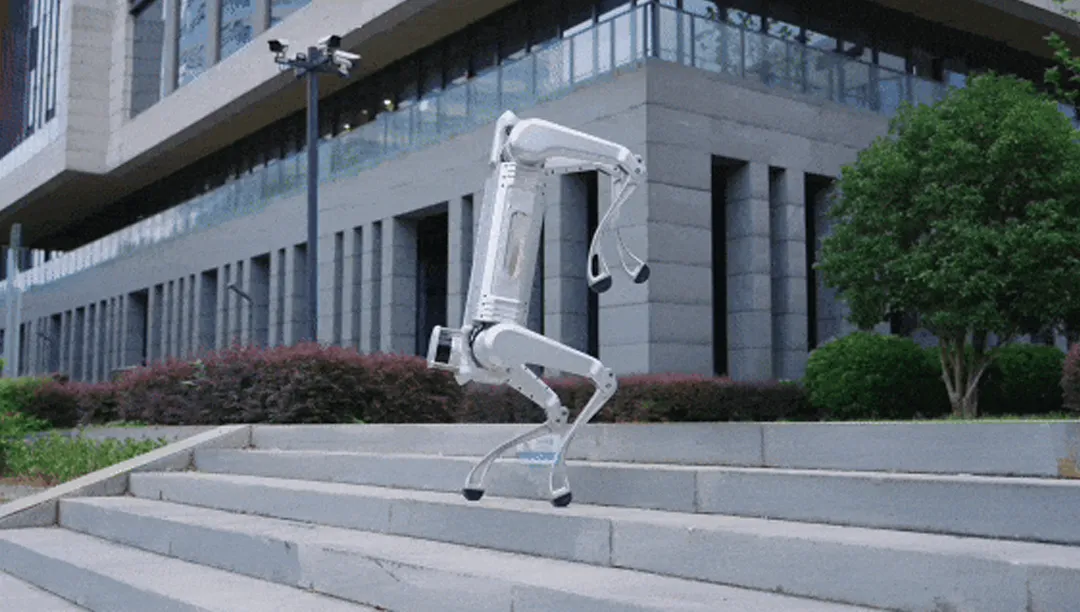
MagicLab's industrial quadruped MagicDog Y1 is engineered to operate continuously, around the clock, across a -20°C to 55°C range — unaffected by extreme heat, cold, sandstorms, rain, or snow. With a 45kg mobile payload, a 150kg standing payload, and a top running speed of 6 m/s, the platform is built for industrial inspection, park security, and emergency response — specifications that moved from spec sheet to real deployment when Typhoon Mesak hit.
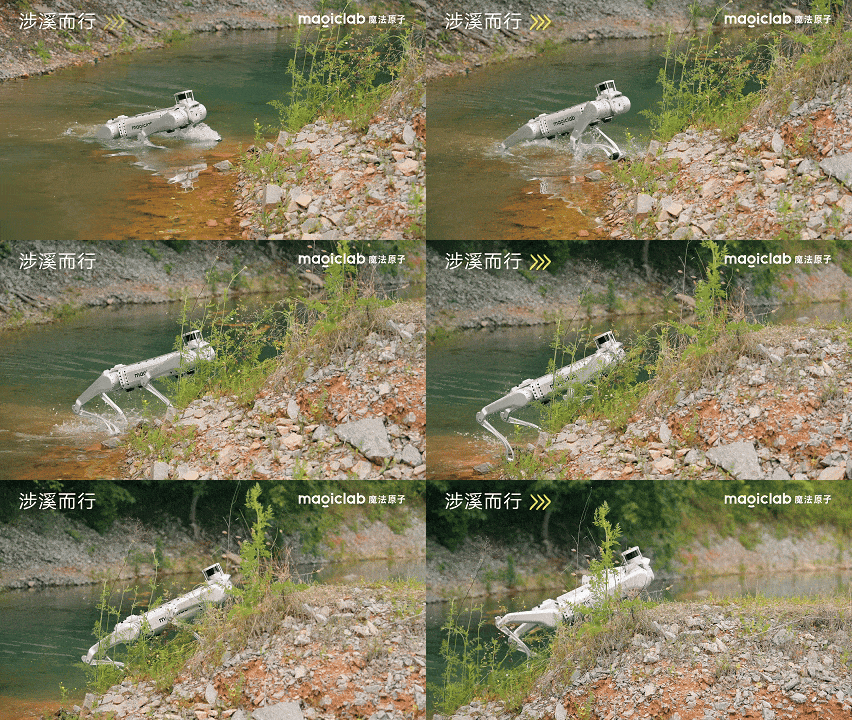
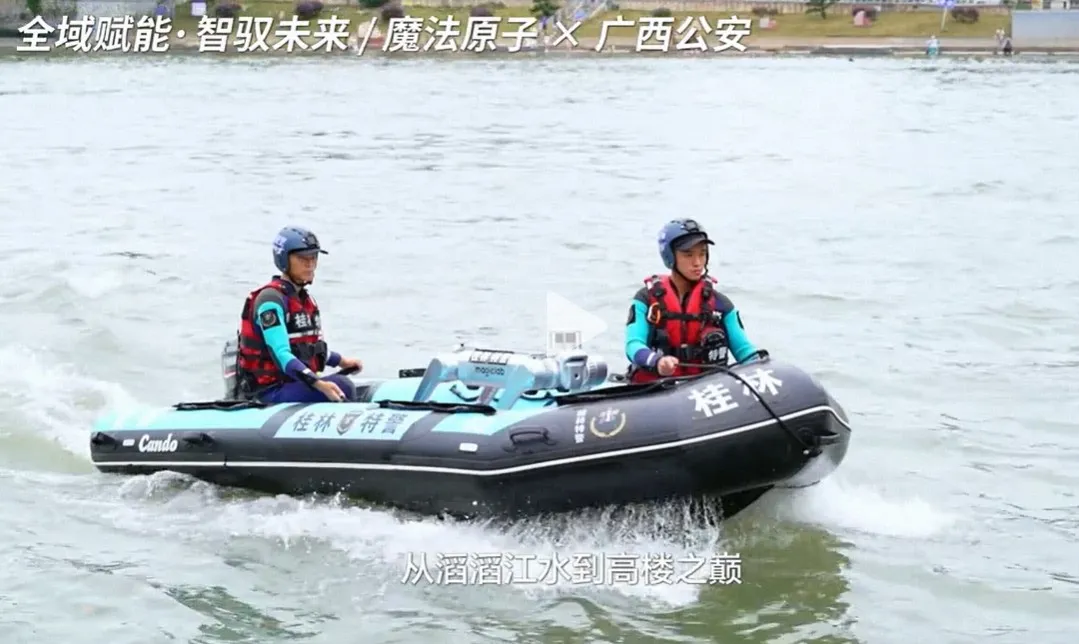
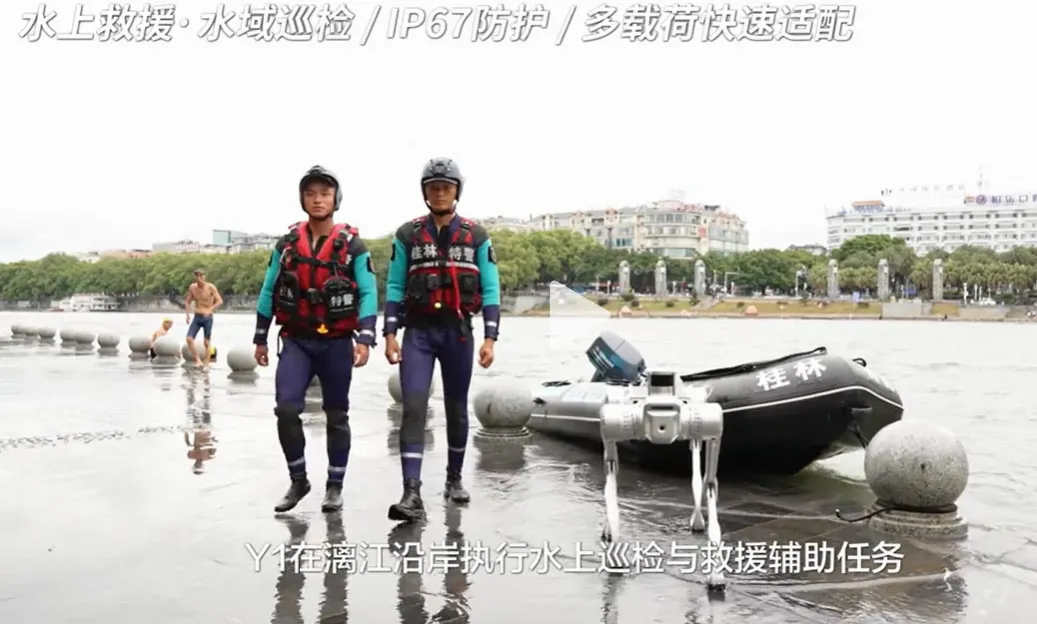
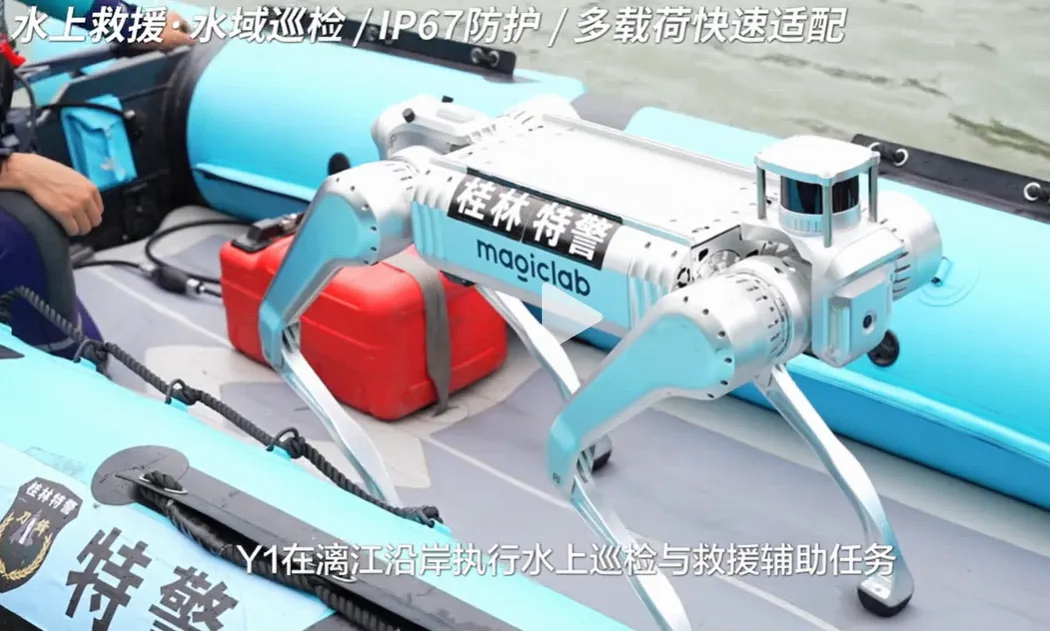
When sustained heavy rainfall triggered flooding across multiple regions of Guangxi, MagicLab's Wuxi-based subsidiary donated relief supplies and smart equipment to affected areas — including three professional-grade robot dogs worth a combined RMB 1.8 million, alongside drinking water, instant noodles, and other emergency supplies. All three units feature fully waterproof bodies rated for deep-water crossing and heavy-rain operation, an all-terrain high-payload chassis, and the same 6 m/s top speed — enabling automated inspection and supply delivery across terrain that had become genuinely dangerous for people to cross on foot.
In post-flood conditions — waist-deep standing water, unstable roads, and collapse-risk zones largely inaccessible to rescue personnel — these units worked directly alongside human rescue teams, covering ground human responders couldn't safely reach without unnecessary risk.
Why it matters for emergency-management and public-sector buyers: Disaster response is one of the few domains where a robot's environmental rating isn't a marketing spec — it's the actual deployment condition. A platform validated in live flood conditions, not a weather-sealed test chamber, is the difference between a robot that looks rugged on paper and one a response team can actually stake a rescue operation on.

 English